What a Good Zumba Studio Needs
Published
Find a space by activity and city
Pick what you are planning, then your city. Counts are verified venues listed right now.
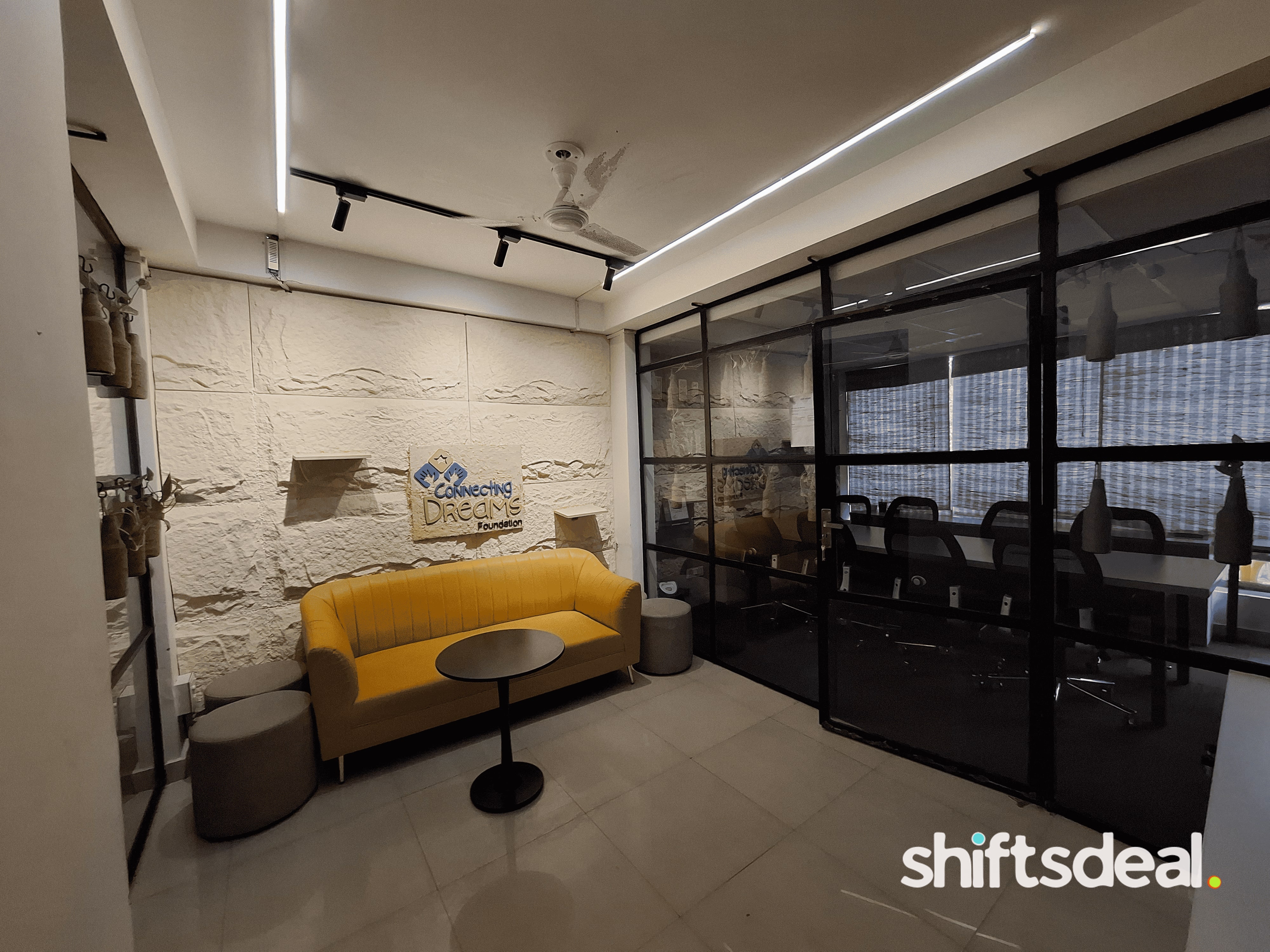
Meeting rooms in Delhi NCR
54 venues listed
- Meeting rooms in Gurgaon (Gurugram)31 venues
- Meeting rooms in Delhi10 venues
- Meeting rooms in Noida3 venues
- Meeting rooms in Sonipat1 venues
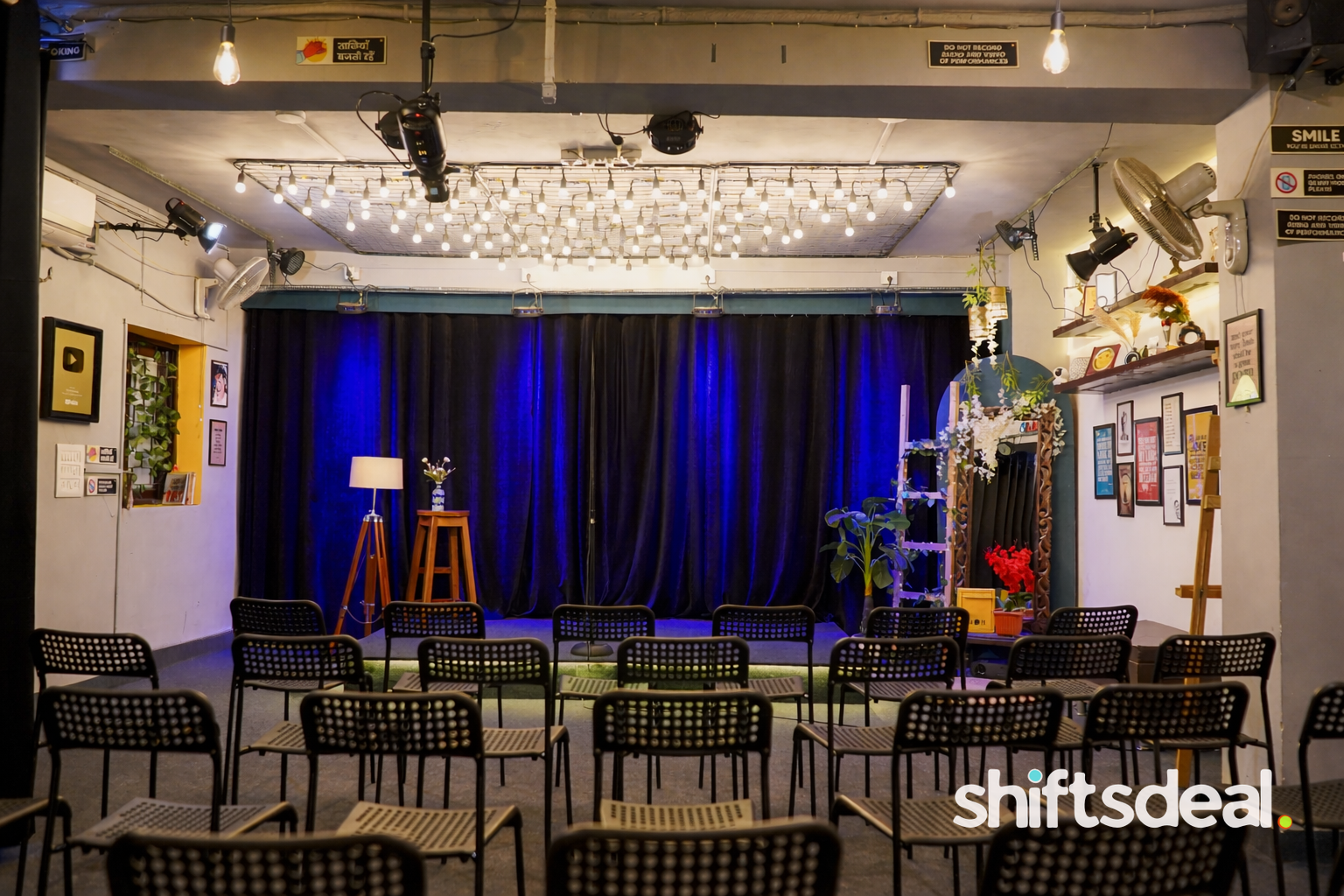
Photography studios in Delhi NCR
48 venues listed
- Photography studios in Delhi38 venues
- Photography studios in Sonipat3 venues
- Photography studios in Noida2 venues
- Photography studios in Gurgaon (Gurugram)1 venues
Dance studios in Delhi NCR
8 venues listed
- Dance studios in Gurgaon (Gurugram)3 venues
- Dance studios in Delhi2 venues
- Dance studios in Noida1 venues
Yoga studios in Delhi NCR
17 venues listed
- Yoga studios in Delhi11 venues
- Yoga studios in Gurgaon (Gurugram)2 venues
- Yoga studios in Sonipat2 venues
Workshop spaces in Delhi NCR
39 venues listed
- Workshop spaces in Delhi24 venues
- Workshop spaces in Gurgaon (Gurugram)7 venues
- Workshop spaces in Sonipat4 venues
- Workshop spaces in Noida2 venues
Corporate offsite venues in Delhi NCR
42 venues listed
Birthday party places in Delhi NCR
13 venues listed
Or start with your city
Zumba is one of the easiest activities to plan on paper and one of the easiest to get wrong in practice, because the things that make a session work are mostly about the room, not the routine. If you're an instructor booking a space for a one-off class, a recurring batch, or a weekend workshop, here's what to actually check before you commit.
Flooring comes first
A zumba class is continuous movement at pace, often in shoes that weren't designed for the surface. Hard tile or stone floors are unforgiving on joints over a 45-60 minute class and can be genuinely slippery once people start sweating. Ask specifically what the floor is made of. A sprung wood floor or a rubberized/vinyl dance floor is the safest option. If neither is available, ask whether a portable dance floor or yoga mats can be laid down, and confirm this is allowed before the day of the class.
Mirrors, or a clear sightline
Mirrors aren't essential for every format, but for a zumba class where participants are following an instructor's movement, either full-length mirrors along one wall or an unobstructed sightline to the front of the room makes a real difference to how easily people can follow along. If the room has pillars or a broken layout, ask for photos or a video walkthrough from a few different spots in the room, not just the entrance.
Sound system, not just "a speaker"
Zumba runs on music, and a single small Bluetooth speaker is rarely enough for a room of more than a handful of people. Ask whether the venue has a proper sound system installed, what its output is suited for (a small studio vs. a hall), and whether you can connect your own playlist device directly. If you're bringing your own portable speaker, confirm the room's acoustics won't cause too much echo, which is common in bare halls with hard walls and high ceilings.
Ventilation and temperature
This is the most commonly underestimated factor. A room that feels comfortable when empty can become uncomfortably warm within 15 minutes once a group starts a high-intensity class. Ask about air conditioning capacity relative to the room size and expected headcount, not just whether AC exists. If the venue only has ceiling fans, that's fine for a small group but worth knowing in advance for a larger batch.
Space per person, not just total capacity
A room's stated "capacity" is often calculated for seated arrangements, which doesn't translate to how many people can move freely during a dance fitness class. A reasonable rule of thumb instructors use is to plan for meaningfully more floor space per person than a seated event would need, so people aren't bumping into each other mid-routine. When you're comparing venues, ask for the actual usable floor area in square feet, not just a general capacity number, and do the math for your expected batch size.
Changing area and water access
Even a short class benefits from participants having somewhere to leave bags and a place to refill water. A dedicated changing area isn't always necessary for a fitness class (unlike a longer workshop), but a safe spot for belongings and easy access to drinking water are worth confirming, especially for recurring batches where the same people return week after week.
Timing flexibility for recurring batches
If you're planning a recurring weekly or twice-weekly batch rather than a one-off session, ask about the venue's timing flexibility and whether the rate changes for a recurring booking versus a single session. Get this in writing rather than assuming the first quoted price applies to every future date.
A quick checklist before you book
- Floor type confirmed (sprung wood, rubberized, or mats allowed)
- Mirrors or clear sightlines to the front of the room
- Sound system confirmed, or your own speaker setup tested against the room's acoustics
- AC/ventilation checked against expected headcount
- Usable floor area (square feet) confirmed, not just stated capacity
- Water access and a safe spot for belongings
- Recurring-booking pricing and timing flexibility confirmed in writing
You can browse wellness studios and dance spaces suited to zumba and similar fitness classes on ShiftsDeal, with real photos and clear hourly pricing before you reach out.